

We often hear from associates who were surprised when their first few paychecks arrived lower than expected. One commonly overlooked reason is dental lab fees being passed, partially or fully, onto the associate. In many agreements lab costs are buried in compensation formulas, chargeback schedules, or clawback provisions, and associates only notice when deductions appear on a paycheck or an invoice arrives after they’ve left. This post breaks down how lab fees are usually structured in dental agreements, where the language commonly shifts cost to the associate, the practical impact on net pay, and what we typically look for when reviewing contracts.
Key Takeaways
- Dental lab fees can reduce take home pay by being deducted before calculating your production split, shrinking the dollar base your percentage applies to.
- Practices also lower net pay by charging lab fees after the split or via retroactive chargebacks, so review paystubs against production reports for discrepancies.
- Ambiguous contract language like “associate responsible for lab fees” or “net of lab fees” shifts risk to you—get clear definitions that specify what counts as a lab fee.
- Negotiate documentation, timing, and limits: require itemized lab invoices, a short defined window for deductions, and a dispute process before payroll adjustments occur.
- Watch for withholding, clawback, and remake/refund clauses that can create cash-flow shocks or repayment obligations when you leave, and consider a contract review if unsure.
How Dental Lab Fees Are Typically Structured
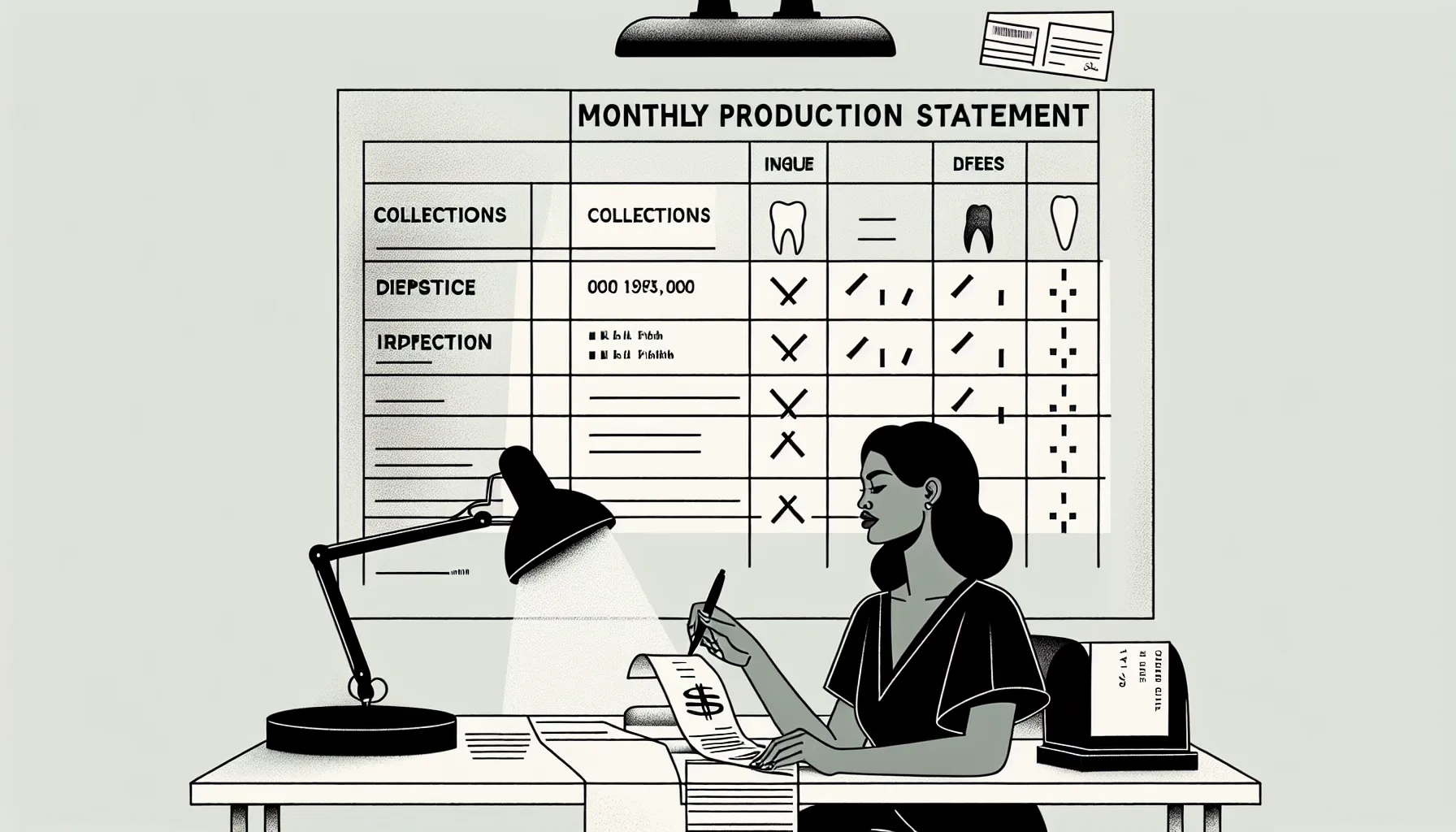
In our experience, lab fees show up in compensation in three broad ways: (1) billed to the practice and absorbed by the owner: (2) billed to the practice but deducted from associate compensation through chargebacks or sums withheld: and (3) billed directly to the associate, either explicitly in the contract or effectively through reduced production splits. Which approach appears depends on whether the practice treats the associate as an employee or independent contractor, the size of the group (single-owner vs DSO), and local practice norms.
A few patterns we see often:
- Chargeback schedules attached to monthly production statements. Practices will list lab fees and subtract them from collections before calculating a production percentage.
- Flat per-case deductions. The agreement or an attached fee schedule might say the associate is responsible for lab costs for certain procedures (e.g., crowns, implants) and require reimbursement when the lab invoice is received.
- Remake and refund clauses. If a case is remade or a patient refunds a procedure, the contract may require the associate to repay lab fees tied to that work.
Why owners use these structures: shifting lab costs helps control overhead and aligns incentives for material choices, but it also shifts variable expense risk onto associates. For associates this is not inherently improper, but it becomes an issue when the contract language is ambiguous, the chargeback calculations are opaque, or the associate is surprised by retroactive deductions.
Common Contract Clauses That Shift Lab Costs To Associates

We frequently flag several contract provisions that, alone or together, transfer lab costs to associates.
- “Collections net of lab fees”: Compensation calculated as a percentage of collections after subtracting lab fees. That phrasing puts the lab deduction upstream of your split and reduces your base for percentage calculations.
- “Associate responsible for supplies and lab fees”: Broad expense clauses that sweep in labs alongside supplies, continuing education, and licensing fees. These clauses are easy to miss but can be applied widely.
- “Chargebacks for remakes/refunds”: A clause that authorizes the employer to deduct lab fees if a patient cancels, asks for a refund, or the employer decides to remake a case.
- “Withholding for uncollected balances”: If the practice withholds a portion of pay for pending collections and later applies lab invoices to that withholding, associates may see delayed or retroactive reductions.
Examples Of Contract Language That Affect Who Pays Labs
- “Production shall be calculated on net collections after deduction of lab fees and supplies.” That sentence makes the deduction explicit and reduces the dollar amount your percentage applies to.
- “Associate will reimburse Employer for lab, supply, and material charges incurred in connection with services provided by Associate.” This language makes the associate directly liable, even if billing and payment flow through the practice.
- “Employer may deduct lab and supply charges from Associate’s compensation. Such deductions may occur during employment or upon termination.” This creates the potential for repayment after departure.
When reviewing these clauses we look for clarity on definitions (what counts as a lab fee), timing (when deductions occur), documentation (how fees are itemized), and limits (is there a cap or dispute process?). Ambiguity is where most disputes arise.
Real-World Impact On Your Paycheck
Seeing a line item for lab fees or a lower-than-expected percentage on a pay stub can be jarring. Practically, lab fees reduce take home pay two ways: by shrinking the pool used to calculate production splits, and by appearing as deductions after your split is determined.
Associates in DSOs or large groups often assume the employer handles labs as part of overhead. That assumption leads to surprise when an invoice or deduction shows otherwise. Small practices may be more transparent but still shift costs through informal policies.
Simple Paycheck Example: How Lab Fees Lower Net Pay
- Scenario: Associate has a production split of 30% on collections. In a month the gross collections for cases the associate performed are $50,000.
- If lab fees are treated as overhead: Associate’s pay = 30% of $50,000 = $15,000.
- If lab fees are deducted first and total $5,000: Net collections = $45,000: Associate’s pay = 30% of $45,000 = $13,500.
- If the practice also deducts the $5,000 lab bill from the associate’s pay after calculating the split (some agreements do both): Associate’s pay = $13,500 – $5,000 = $8,500.
That example is intentionally simple, but the point is clear: small-seeming lab fees can materially reduce take home pay, especially when they’re deducted before and after production calculations. We regularly see associates miss these impacts until they compare production reports to paystubs or receive a year-end reconciliation.
Risks Beyond Reduced Take Home Pay
Lab fees aren’t just a line on a pay stub: the contract mechanisms that attach them to an associate’s compensation create other practical risks we commonly encounter.
Withholding, Repayment On Departure, And Unexpected Deductions
- Withholding: Some practices hold back a percentage of pay for pending lab or supply costs. If the holding period is long, that can create cash-flow problems for associates who budget based on expected monthly pay.
- Clawbacks: Contracts may include clawback provisions that require associates to repay lab fees if they leave before a certain date or if patients don’t pay. These provisions sometimes apply even when the case was billed and collected by the practice.
- Retroactive application: We see agreements that give the employer discretion to recharacterize payments after the fact, applying lab invoices to previously issued pay. That’s often where disputes occur, when the associate assumed a payment was final.
Practical consequences include unexpected tax implications, strain on personal cash flow, and uncertainty around whether incentive bonuses or sign-on payments are truly earned if subsequent lab deductions can recapture them.
What To Negotiate Or Clarify In Your Agreement
We don’t provide negotiation scripts here, but from our review work we consistently recommend that associates seek clarification and specific limits in several areas. Clear language reduces surprises.
- Define who pays: Make the contract explicit about whether lab fees are practice overhead or associate responsibility. If labs are deducted, state whether the deduction happens before or after calculating production splits.
- Documentation and timing: Require itemized lab invoices and a defined period (for example, the next payroll cycle) for any deduction. Vague “as needed” timing gives the employer too much latitude.
- Limits and dispute process: Ask for a cap on deductions or a mechanism to dispute lab charges before payroll is adjusted. Without a dispute process, disagreements often escalate after money has already moved.
- Remake/refund rules: Get the mechanics of remakes and patient refunds in writing: what triggers repayment, whether the associate shares responsibility, and how the amount is calculated.
Specific Contract Language And Practical Negotiation Points
Language that states “production is calculated on gross collections” is preferable for associates compared with “net of lab fees.” If the employer insists on net collections, seek clarity on which items are deducted and insist on written, itemized statements. We also recommend confirming how signing or retention bonuses interact with chargebacks and whether clawbacks apply if you leave early, these often intersect with lab fee provisions.
Immediate Steps If You Discover Unexpected Lab Charges
If you notice lab deductions you weren’t expecting, act promptly and document everything. In practice we advise doing three things: (1) ask for an itemized explanation in writing: (2) compare production reports to the paystub and request the math showing how the deduction was calculated: and (3) review your contract for the exact language authorizing the deduction.
For more detailed guidance on common compensation traps and how we review this language, see our resource page on associate compensation practices (/resources/associate-compensation). If you want a focused, attorney-led review of your contract language to identify ambiguous or risky provisions, our contract review service explains how these clauses commonly operate in practice (/services/contract-review).
Conclusion
Lab fees reduce take home pay both directly, when deducted from your paycheck, and indirectly, when they shrink the base used to calculate production splits. The surprise usually comes from vague or broad contract language, delayed billing, or retrospective chargebacks. When we review contracts for associates we look for precise definitions, timing rules, documentation requirements, and limits on unilateral deductions. Those are the practical elements that separate reasonable cost allocation from provisions that create lingering financial uncertainty.
Key Takeaways
- Lab fees can be deducted before or after production splits: both methods reduce net pay but in different ways.
- Ambiguous clauses (e.g., “associate responsible for lab fees”) are a common source of surprise and dispute.
- Watch for withholding, clawback, and retroactive deduction language, these create cash-flow and departure risks.
- Ask for itemized invoices, clear timing for deductions, and a dispute process to reduce surprises.
- If you’re unsure how a clause will operate in practice, a targeted contract review can clarify likely outcomes.
We typically see these issues during routine contract reviews, and addressing them early, by clarifying definitions and timing, reduces the chance of an unpleasant paycheck surprise later on. For more context on how these provisions intersect with bonuses, clawbacks, and termination language, consult the linked resource and consider a focused contract review so you know exactly how your agreement allocates lab costs.