
Dental malpractice insurance is one of the most important risk-allocation provisions in a dental associate or employment agreement. Also called professional liability insurance, this coverage may protect a dentist against claims alleging patient injury or professional error, subject to the policy’s limits, exclusions, reporting requirements, and other terms. The contract should clearly identify the coverage being provided rather than relying on a general promise that the practice will maintain insurance.
The details matter because claims-made and occurrence policies create different obligations after employment ends. Policy limits, deductibles, prior-acts coverage, premium responsibility, tail insurance, indemnification, and control of the defense can all affect a dentist’s financial exposure. An unclear agreement may leave the associate responsible for substantial post-employment costs or liabilities that extend beyond the protection available under the policy.
Attorney Robert Chelle provides dental malpractice insurance reviews for dentists nationwide as part of the contract review process. Chelle Law evaluates how the policy and employment agreement work together, including who pays the premium, whether tail coverage is required, how termination affects coverage, and whether indemnification or defense provisions shift additional risk to the dentist. The objective is to identify coverage gaps, ambiguous obligations, and negotiable terms before the agreement is signed.
Key Takeaways
- Malpractice coverage type and tail obligations can materially affect financial exposure after a dentist leaves a practice.
- Claims-made policies without employer-funded extended reporting coverage may leave associates responsible for substantial dental tail insurance costs.
- Policy limits, prior-acts coverage, deductibles, exclusions, and reporting requirements should be clearly addressed.
- An attorney-led review can identify coverage gaps, one-sided risk allocation, and negotiable contract terms before signing.
Dental Malpractice Coverage and Policy Structure
What Professional Liability Insurance Covers

Dental malpractice insurance is designed to protect dentists against covered claims alleging patient injury or professional error. Coverage commonly addresses legal defense costs, settlements, and judgments arising from clinical care, but every obligation remains subject to the policy’s terms, limits, exclusions, and reporting requirements. Reviewing the actual coverage details is therefore more useful than relying on a contract that merely says insurance will be provided.
Policies commonly exclude intentional misconduct, criminal acts, and services performed outside the effective coverage period. Certain procedures or treatments may also be excluded depending on the policy language and endorsements. A review of the applicable dental malpractice coverage terms can help a dentist recognize potential gaps before beginning work.
Claims-Made, Occurrence, and Tail Coverage
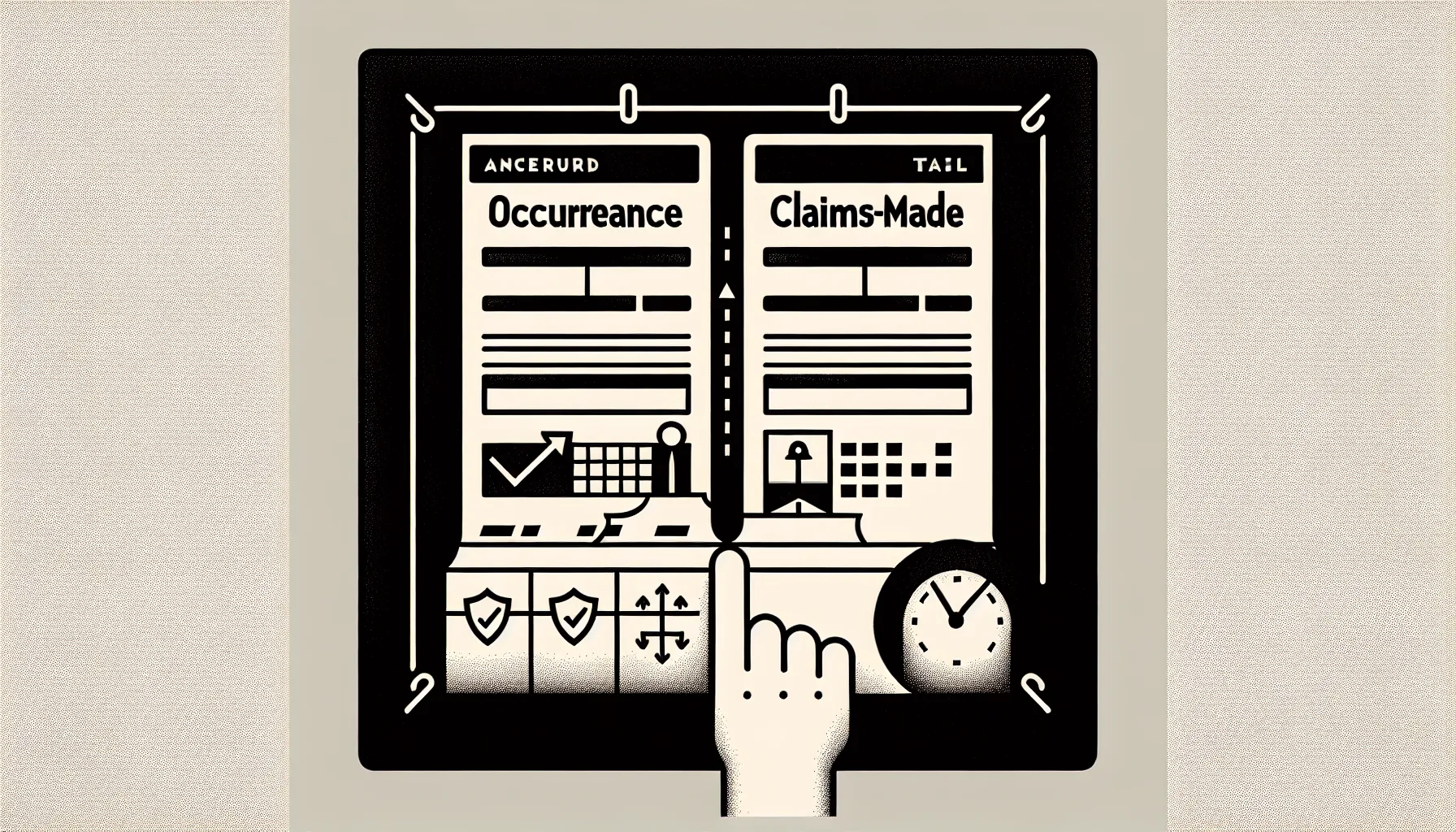
Dental malpractice insurance is typically structured as either occurrence or claims-made coverage. Occurrence policies generally address covered claims arising from services performed during the policy period, even if the claim is made after the policy ends. Claims-made policies generally require coverage to be active when the claim is made and may require tail coverage after employment ends.
Tail insurance, also called extended reporting coverage, allows certain claims to be reported after a claims-made policy terminates for services performed while that policy was active. Prior-acts coverage through a subsequent policy may sometimes address earlier services, but the contract and applicable policies must be reviewed carefully. The agreement should state whether tail coverage is required, who purchases it, and whether payment responsibility changes based on resignation, termination, or non-renewal.
Contract Terms That Allocate Malpractice Costs and Risk
Premiums, Policy Limits, and Deductibles
Dental contracts differ in how insurance costs are allocated. An employer may provide and pay for coverage, require the associate to obtain a separate policy, reimburse some or all of the premium, or divide expenses through a shared arrangement. Each structure has different financial consequences depending on the policy type, limits, deductible, and termination provisions.
- Policy limits: The agreement should identify applicable per-claim and aggregate limits or explain how the dentist can verify them.
- Premium responsibility: The contract should state who pays the premium and whether reimbursement is conditional.
- Deductibles and self-insured amounts: The agreement should explain whether the dentist can be charged for these costs.
- Named or additional insured status: The policy structure should properly address the dentist’s coverage while providing services.
These financial terms should be read together rather than in isolation. Employer-paid premiums may offer limited protection if the dentist must later fund expensive tail coverage, pay a substantial deductible, or reimburse the practice after termination.
Indemnification, Defense Control, and Exclusions
The employment agreement may create obligations beyond the malpractice policy. Broad indemnification language can require the dentist to defend or reimburse the employer for uninsured claims, third-party liability, or other losses. Defense provisions may also determine who selects counsel, controls settlement decisions, and bears expenses that are not paid by the insurer.
- Indemnification provisions that require the dentist to defend or indemnify the employer for broad categories of claims
- Defense costs and control, including selection of counsel and authority over settlement decisions
- Policy exclusions and endorsements that may remove coverage for particular procedures or clinical scenarios
- Cooperation obligations that impose open-ended participation, expense, or cost-shifting requirements
These clauses must be compared with the policy itself. A contractual obligation may remain enforceable between the parties even when the insurer does not cover the resulting expense, creating direct financial exposure for the associate.
How Chelle Law Reviews Malpractice Provisions
Policy Details and Contract Integration
An attorney-led review examines both the policy-related information and the language incorporated into the employment agreement. The review focuses on whether the coverage type, insured parties, limits, exclusions, premium obligations, deductibles, and tail requirements are sufficiently clear. It also evaluates whether the contract gives the employer unilateral discretion to change coverage or pass additional costs to the dentist.
- Policy structure and endorsements, including whether coverage is occurrence-based or claims-made
- Coverage limits and insured parties, including per-claim and aggregate limits
- Exclusions and coverage gaps affecting particular services or circumstances
- Contract integration, including responsibility for premiums, deductibles, tail coverage, and defense obligations
Common red flags include claims-made coverage without a clear tail provision, one-sided indemnification, high deductibles assigned to the dentist, or a vague statement that malpractice insurance will be provided without identifying meaningful terms. These issues can be addressed alongside the broader dental associate agreement review.
Termination and Post-Employment Obligations
Termination provisions often determine when the dentist’s coverage ends and who becomes responsible for tail insurance or other costs. The agreement may allocate payment differently depending on whether the dentist resigns, is terminated for cause, is terminated without cause, or completes the contract term. It may also impose accelerated payment, reimbursement, or proof-of-coverage requirements.
These provisions should be reviewed with the agreement’s notice period and other dental contract termination terms. A dentist should understand the timing, potential cost, and documentation requirements before deciding whether to accept a tail obligation or negotiate a different allocation.
When Dentists Should Request a Malpractice Insurance Review
A dentist should consider an attorney-led review before signing an associate, employment, independent contractor, DSO, or partnership agreement containing malpractice provisions. Review is particularly important when the agreement uses claims-made coverage, leaves tail responsibility unclear, assigns deductibles to the dentist, includes broad indemnification language, or does not identify coverage limits and policy terms.
- Before signing an agreement that includes professional liability insurance obligations
- When claims-made coverage is provided and tail responsibility is unclear
- If indemnification, defense, repayment, or buy-out provisions are tied to malpractice risk
- When policy limits, exclusions, deductibles, or premium obligations are not clearly stated
- When termination could trigger an immediate tail purchase or reimbursement obligation
Frequently Asked Questions
What does a dental malpractice insurance review include?
A dental malpractice insurance review evaluates the type of professional liability coverage, policy limits, deductibles, exclusions, tail insurance obligations, prior-acts coverage, responsibility for premiums, indemnification provisions, and post-employment obligations. The goal is to identify unclear or unfavorable terms that could create financial exposure for the dentist.
What is the difference between claims-made and occurrence malpractice insurance?
Occurrence coverage generally protects covered claims arising from services performed during the policy period, even if the claim is made after the policy ends. Claims-made coverage generally requires the policy to be active when the claim is made and may require tail coverage when employment ends unless prior-acts coverage is obtained through a new policy.
What is tail insurance for a dentist?
Tail insurance, also called extended reporting coverage, allows certain claims to be reported after a claims-made malpractice policy ends for services performed while the policy was active. Tail coverage can be expensive, so the employment agreement should clearly state whether it is required and who is responsible for the cost.
Who should pay for dental malpractice tail coverage?
There is no single arrangement used in every dental contract. The employer may pay the full cost, the dentist may be responsible, or the obligation may depend on how employment ends. The agreement should clearly state who pays for tail coverage and whether responsibility changes based on resignation, termination, or non-renewal.
What malpractice insurance terms should be included in a dental associate contract?
The agreement should identify the type of coverage, policy limits, who pays the premium, whether deductibles or self-insured amounts apply, whether tail coverage is required, who pays for tail coverage, and what happens after employment ends. Indemnification and defense obligations should also be reviewed because they can create liability beyond the insurance policy itself.
When should a dentist have malpractice insurance provisions reviewed?
A dentist should consider reviewing malpractice insurance provisions before signing an employment or associate agreement, particularly when the contract uses claims-made coverage, requires the dentist to purchase tail insurance, includes broad indemnification language, assigns deductibles to the dentist, or does not clearly explain the policy type and coverage limits.
Understand Your Malpractice Obligations Before You Sign
Claims-made coverage, tail obligations, deductibles, indemnification, and unclear policy terms can affect your financial exposure long after employment ends. Chelle Law can review these provisions as part of your dental contract before you sign.
Request a Dental Contract ReviewExplore More Dental Contract Guidance
Review additional services, practical resources, and state-specific guidance for dental employment and business agreements.